Case Studies
CarePods and DoorDash: meal support built around the clinical shift
Connecting meal stipends with shift confirmation to make meals and breaks easier for clinicians.
CarePods | In partnership with DoorDash.
Agency goals
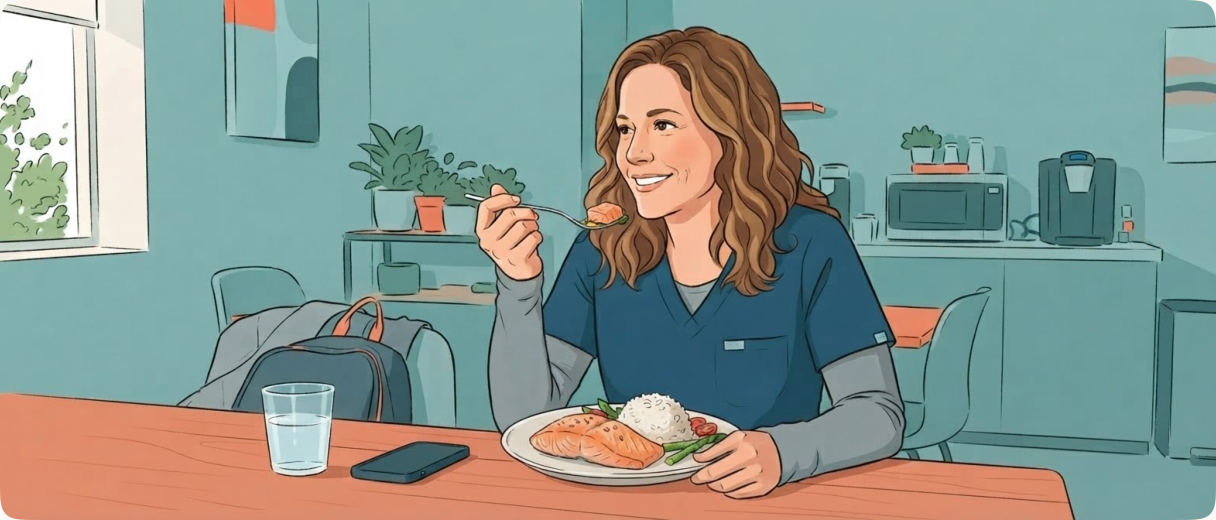
- Support wellness during shifts and make getting a meal easier.
- Make meal support useful for CNAs, LPNs, RNs and CRNAs.
- Help facilities coordinate meal access with planned breaks and reliable attendance.
- Make everyday perks part of efforts to retain clinicians and prevent missed shifts.
Overview
CarePods connects clinicians with clinical shifts in a regional staffing context centered on Metro Detroit and Wayne County. Its model for meal support with DoorDash brings an everyday need into that workflow: eligible digital meal credits linked to confirmed clinical shifts. These stipends are a benefit alongside pay, not a replacement for it. For clinicians with little time to leave a facility or few food options when they do, the aim is to make finding a meal one less task to manage during a demanding day.
The clinician experience
Long shifts can turn a simple meal into a logistical problem. Fatigue builds, break windows narrow and a cafeteria may close well before the work is done. In the CarePods model, shift confirmation can trigger a workflow for eligibility and meal credits, bringing support into a process the clinician is already using rather than asking them to chase a separate benefit.
An eligible clinician can use mobile web or SMS to begin a claim, choose a meal and arrange delivery around an approved break and handoff location. The facility still manages staffing coverage and actual break approval. A meal credit helps with access to food; it is not a substitute for a protected break with proper coordination.
One shift. Two ways to claim meal support.
Mobile web
carepods.co
CarePods
Your next shift
Shift details and meal support, together.
Shift confirmed
LPN · Evening shift
3:00 PM to 11:00 PM · Wayne County
Meal support available
Eligible meal credit
Review your allowance and choose a meal for your approved break.
Claim meal credit
Coordinate your break and delivery handoff with the facility.
SMS
CarePods
Text message
Today
CarePods: Your confirmed LPN shift is eligible for meal support. Reply YES to start your meal credit claim. Review the allowance before ordering.
YES
Thanks! Continue your meal credit claim here:
Open your meal claim link
Choose a meal and coordinate delivery with your approved break and facility handoff point.
Data supplied by CarePods.
For a facility, connecting eligibility and communication to the confirmed shift offers a clearer alternative to handling each meal request separately. The intended operational value is less manual coordination and fewer ambiguous messages about who can claim support. That value depends on practical details: clinicians knowing the rules, staff knowing where deliveries can arrive and the meal fitting the shift, not the other way around.
“A small perk removes a little friction from a demanding shift. It supports human endurance; it does not replace competitive pay or protected breaks.”
CarePods Operations Team
How it started
The starting point is a familiar gap in clinical work: care continues after the cafeteria closes. A clinician working a night shift may have time for a meal but nowhere nearby to buy one. Day and evening teams face different constraints, from lunch queues to kitchens winding down during a handoff. A perk designed only around office hours misses much of the workforce it is meant to support.
Manual meal perks can also be cumbersome. Separate approvals, voucher messages and reimbursement questions add another layer to an already busy schedule. CarePods’ approach is to use an API to connect eligibility for meal support and notifications with staffing, so an eligible shift can initiate the credit workflow. The goal is a consistent route from confirmation to claim, with clear allowance rules rather than handling each arrangement separately.
How it’s going
Regional scaling requires reviewing each facility separately. Wayne, Oakland and Macomb counties offer a useful planning lens, not proof of uniform coverage: merchant hours, delivery reach, facility entry rules and shift patterns can differ within the same county. A workable rollout needs to check those conditions before presenting meal support as available for a particular shift.
“Meal support is local. The right options depend on merchant hours, the shift window and what the clinician actually wants to eat.”
CarePods Operations Team
Evaluation should be equally specific. Track eligibility, claims and completed redemptions by facility and shift, then ask clinicians where the process helped or became difficult. Meal preferences and unsuccessful orders matter alongside uptake. These are the inputs for improving and expanding the program; they are not evidence, on their own, that meal credits reduce burnout, improve attendance or increase retention.
By the numbers
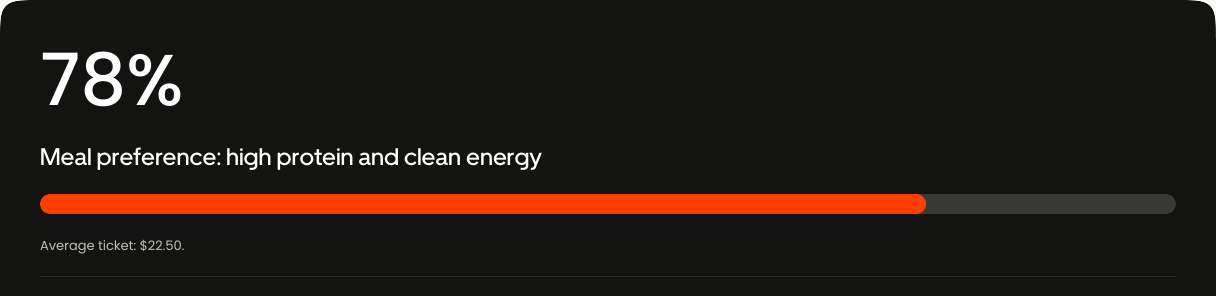
Meal preferences are one part of the picture. CarePods is tracking whether meal support encourages repeat bookings, more completed shifts and fewer missed shifts.
Overcoming barriers
Moving away from legacy agency habits is as much a communication task as a software task. A clinician used to calling a coordinator or keeping a receipt needs to know what has changed, which shifts qualify and what happens after replying YES. Short SMS instructions and a readable web claim can make the next step clear without requiring a new app or assuming everyone prefers the same channel.
“Adoption starts with a clear message: who is eligible, what is covered and how to claim. Simplicity has to survive the busiest part of the shift.”
CarePods Operations Team
Onboarding should give clinicians and facility contacts a shared understanding of the allowance, ordering process and delivery handoff. Training also needs to address missed deliveries, unavailable meals and questions about eligibility. Break timing remains a facility responsibility, so the program must fit local coverage and entry procedures. Food preferences and dietary restrictions call for meaningful choice and clear merchant information, not assumptions that one meal works for everyone.
Advice to other care networks
Start with a defined set of shifts and verify merchant availability during the hours people actually work. Keep meal support separate from wages, explain eligibility and the covered allowance before a claim, and make any costs beyond that allowance visible before ordering. Preserve accessible web and SMS routes so a useful benefit does not become another administrative hurdle.
Then evaluate the real experience. Review redemptions, failed claims, delivery issues and clinician feedback before expanding or making outcome claims. Attendance, break coordination and retention are worthwhile goals to examine over time, but they should not be presented as demonstrated effects simply because a digital meal credit is available.
Conclusion
A staffing approach centered on clinicians pays attention to the work and to the person doing it. Connecting automated meal stipends with eligible shifts gives CarePods a practical way to support everyday meal access alongside DoorDash. Paired with competitive pay, appropriate staffing and breaks that are managed well, that support can be a useful part of the employment experience. It does not solve staffing shortages or replace staffing standards; it makes room for a basic need within a demanding clinical shift.
“This hybrid model offers the best of both worlds: clinical staffing held to high standards, paired with automated, modern perks during shifts.”
CarePods Operations Team
CarePods home · Browse shifts · About CarePods · Care Cover · Apply as a clinician